

2026/05 Issue 3 People & Inheritance
Master and Apprentice: A Relay of Craftsmanship on the Assembly Line
The 60th Anniversary Brand Story of Changchun People's Pharmaceutical Group
The 60th Anniversary Brand Story of Changchun People's Pharmaceutical Group
2026/05 Issue 3
Changchun People's Pharmaceutical Group's 60th Anniversary Brand Story
Silent Craftsmanship, Unending Legacy
Changchun People's Pharmaceutical Group's 60th Anniversary Brand Story
Silent Craftsmanship, Unending Legacy

Stepping into the production workshop of Changchun Renmin Pharmaceutical, the low hum of the machines never ceases. Sixty years of unwavering dedication have not only resulted in the production of hundreds of millions of safe medicines, but also cultivated an unseen yet tangible warmth—the craftsmanship passed down through generations between master and apprentice.
Entering the pulverizing station in the general production area and the coating station in the solid dosage form workshop, two pairs of master-apprentice relationships unfold. They make no grand pronouncements, only daily companionship and instruction. Through years of steadfast commitment, they have jointly completed a silent relay of craftsmanship. And this is the power of upholding integrity, the foundation for ushering in a new chapter.
Entering the pulverizing station in the general production area and the coating station in the solid dosage form workshop, two pairs of master-apprentice relationships unfold. They make no grand pronouncements, only daily companionship and instruction. Through years of steadfast commitment, they have jointly completed a silent relay of craftsmanship. And this is the power of upholding integrity, the foundation for ushering in a new chapter.
The roots of craftsmanship, the buds of innovation
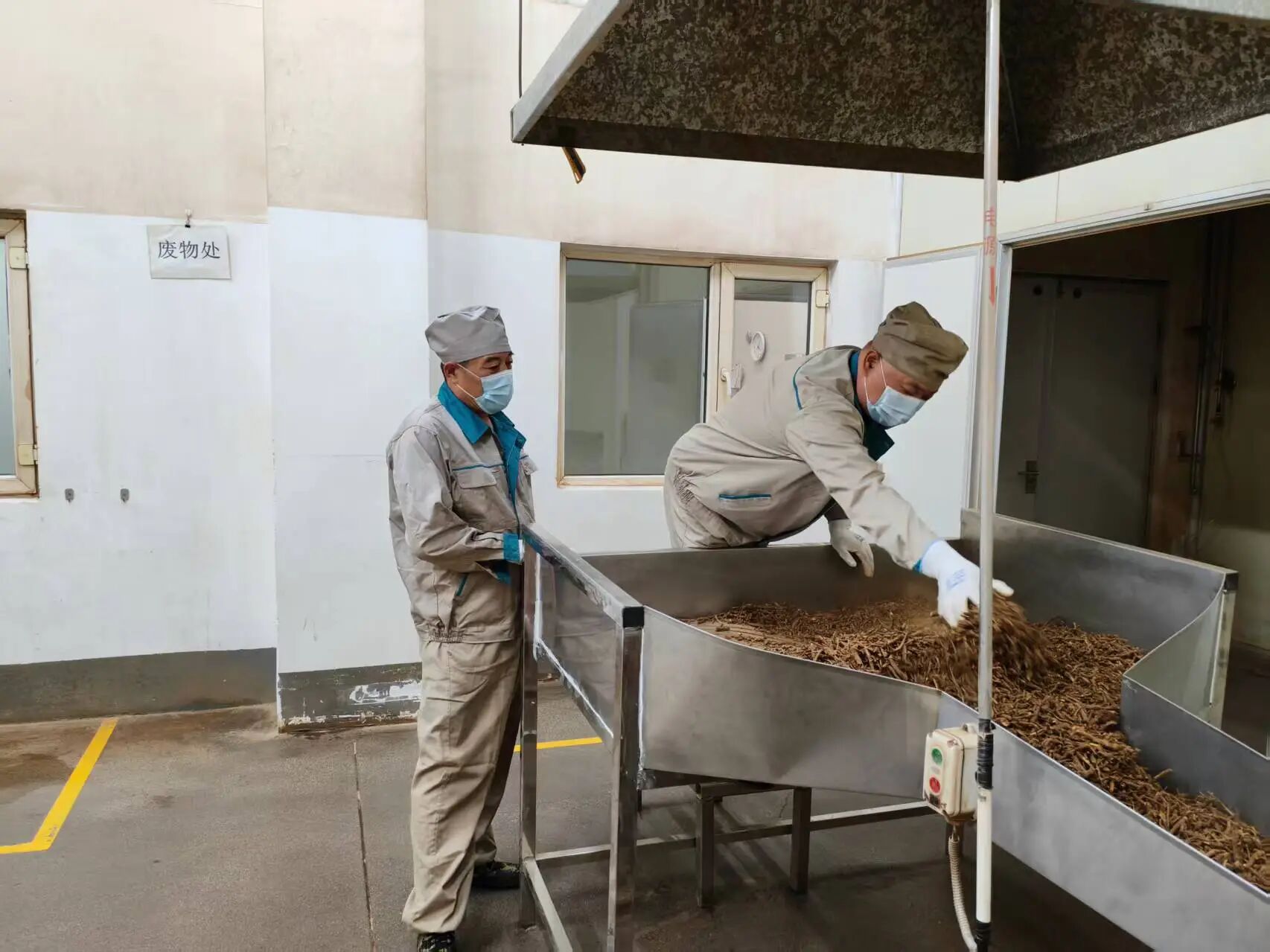
Song Demin and Peng Donghai: Twenty Years of Shattering the Road
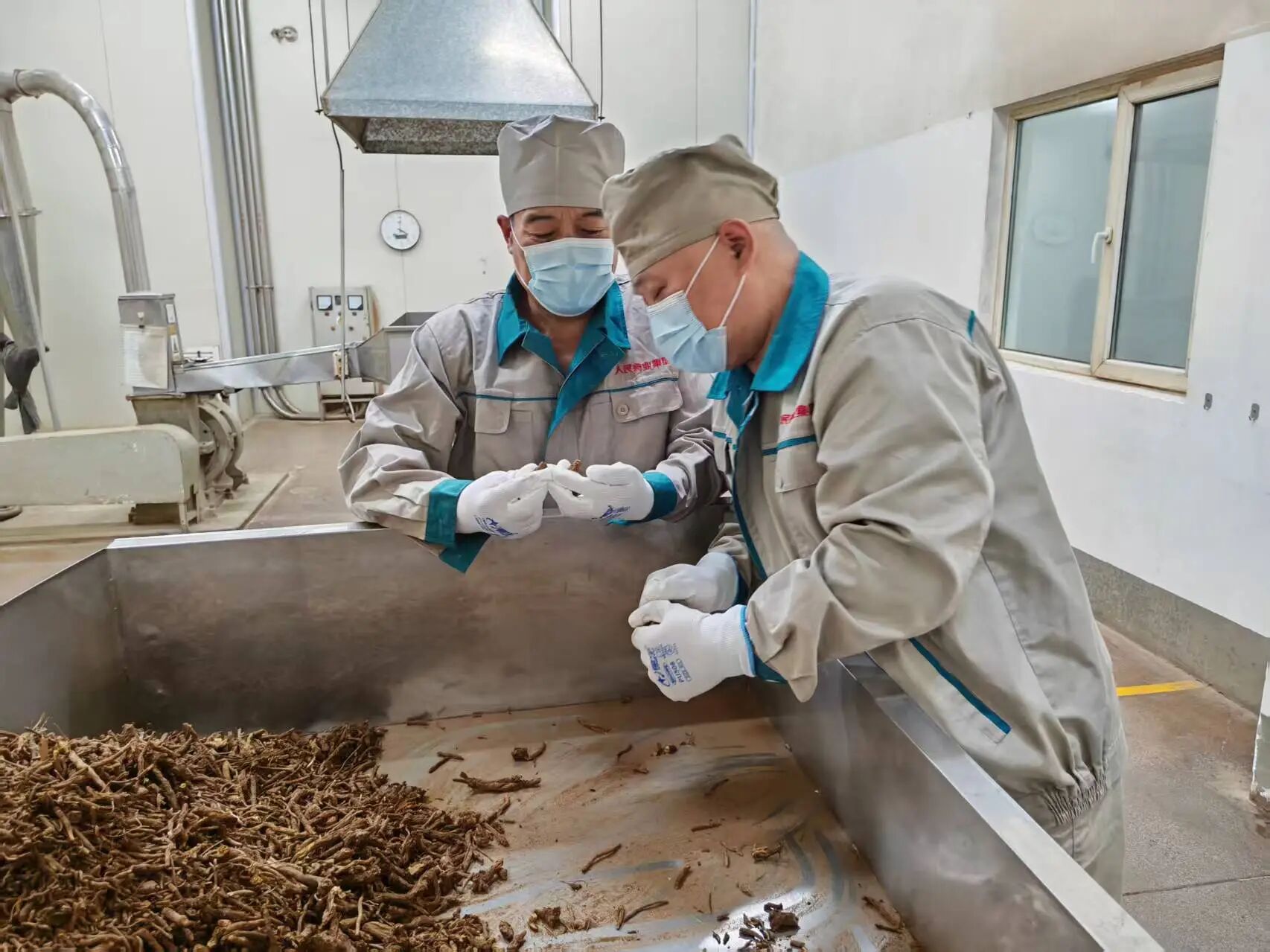
Song Demin joined the factory in 2003 and entered the general crushing section in 2004, where he has worked for over twenty years. His apprentice, Peng Donghai, transferred in in 2007, and their master-apprentice relationship naturally formed.
Song Demin mainly taught him how to mix the ingredients: "How to mix evenly, which herbs can be combined, it can't be sticky, it can't be too oily." He learned these skills little by little through trial and error on the job. Goji berries are sticky and need to be mixed with other herbs; trichosanthes is oily and will burn if not mixed properly. The procedures list the names of the herbs, but not their "temperament"—only experienced workers know these.
When Peng Donghai first arrived, his biggest fear was misidentifying herbs. There are over two hundred kinds of herbs, each with different roots, stems, and leaves. Some herbs are only processed two or three times a year, so he wouldn't recognize them even if he encountered them. He looked for instructions, asked the supervisor, but he asked his master most often. Song Demin patiently explained again and again: this goes with that, add this first, add that later. Peng Donghai said that even now, he doesn't know as many medicinal herbs as his master, but what his master taught him wasn't just the herbs, but also the attitude towards work.
Peng Donghai not only learns, but also loves to ponder. Grinding and adjusting the blade is delicate work; the coarseness of the powder depends entirely on the angle of the blade, which used to be done entirely by feel. He devised a method: using a steel ruler to measure fixed graduations, he categorized materials into ordinary, viscous, and extra-viscous types, and blade wear into new, intermediate, and final stages. Different combinations used different graduations, making it easy to understand at a glance. This "gradient blade adjustment method" is fast, accurate, and saves time and electricity. He also invented a voice reminder device that automatically reminds people to wash and disinfect their hands when they pass by. Song Demin said proudly, "My apprentice is amazing; he's learned more from him than I taught him." Song Demin retired this October. In over twenty years, he only had Peng Donghai as his apprentice. "What I hope to pass on, besides skills, is character," Peng Donghai added. "I'll train newcomers the way my master trained me. It's the same thing."
Song Demin mainly taught him how to mix the ingredients: "How to mix evenly, which herbs can be combined, it can't be sticky, it can't be too oily." He learned these skills little by little through trial and error on the job. Goji berries are sticky and need to be mixed with other herbs; trichosanthes is oily and will burn if not mixed properly. The procedures list the names of the herbs, but not their "temperament"—only experienced workers know these.
When Peng Donghai first arrived, his biggest fear was misidentifying herbs. There are over two hundred kinds of herbs, each with different roots, stems, and leaves. Some herbs are only processed two or three times a year, so he wouldn't recognize them even if he encountered them. He looked for instructions, asked the supervisor, but he asked his master most often. Song Demin patiently explained again and again: this goes with that, add this first, add that later. Peng Donghai said that even now, he doesn't know as many medicinal herbs as his master, but what his master taught him wasn't just the herbs, but also the attitude towards work.
Peng Donghai not only learns, but also loves to ponder. Grinding and adjusting the blade is delicate work; the coarseness of the powder depends entirely on the angle of the blade, which used to be done entirely by feel. He devised a method: using a steel ruler to measure fixed graduations, he categorized materials into ordinary, viscous, and extra-viscous types, and blade wear into new, intermediate, and final stages. Different combinations used different graduations, making it easy to understand at a glance. This "gradient blade adjustment method" is fast, accurate, and saves time and electricity. He also invented a voice reminder device that automatically reminds people to wash and disinfect their hands when they pass by. Song Demin said proudly, "My apprentice is amazing; he's learned more from him than I taught him." Song Demin retired this October. In over twenty years, he only had Peng Donghai as his apprentice. "What I hope to pass on, besides skills, is character," Peng Donghai added. "I'll train newcomers the way my master trained me. It's the same thing."
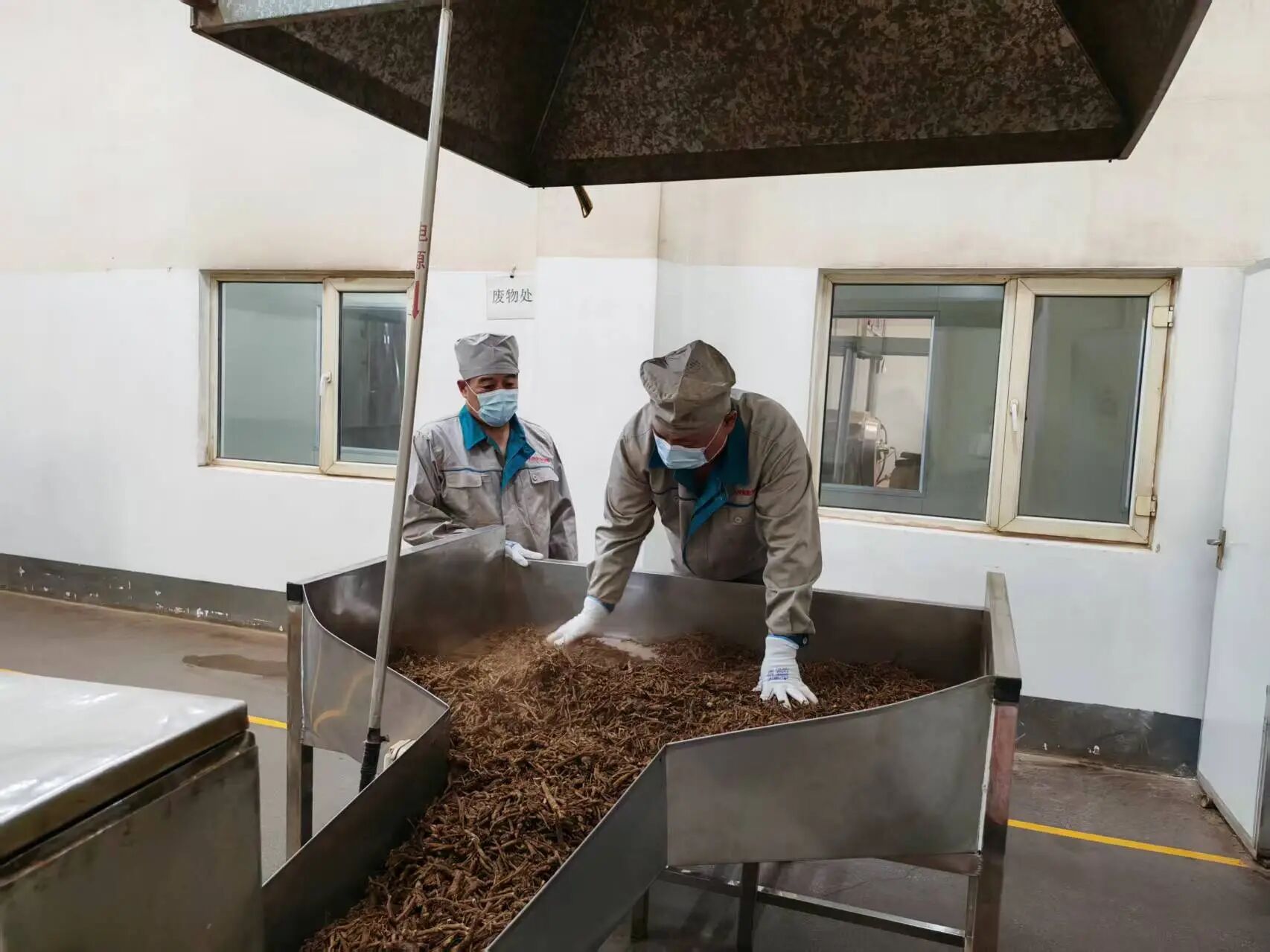
A quick temper meets a slow-paced personality
Sun Qingqing is a slow-paced, quiet person who works steadily and reliably. Dong Haibo is an impatient person who works quickly and can't keep secrets. In March 2014, these two people with very different personalities became master and apprentice. At that time, the coating department was short-staffed, and Dong Haibo was transferred from the pressing department. Dong Haibo recalled that he felt pressured when he first arrived at the coating department. "This job is indeed tedious, going through layer after layer." From a batch of plain sheets to the finished sugar-coated product, it takes at least 8 hours, with time requirements for each layer, temperature control, and constant observation of the sheets. The most difficult part is the final coloring. "If the temperature isn't controlled well, the sheets will be uneven or faded." Dong Haibo was anxious when he first started learning. His master, Sun Qingqing, was a man of few words, and whenever Dong Haibo got impatient, his master would say, "Don't rush, stay calm."
Sun Qingqing said that the three most important things in training an apprentice are: first, strictly adhere to GMP operating procedures; second, teach the apprentice the complete set of coating process parameters and key control points step by step; and third, help the apprentice build confidence and maintain a stable mindset. He praised Dong Haibo, saying, "He's humble and eager to learn, quick to accept new procedures and knowledge, and hardworking and energetic."
Dong Haibo remembered his mentor's words. Later, when he became the foreman of the garment processing team and mentored interns, he said the same thing: "Never rush, rushing easily leads to mistakes." Sun Qingqing has now been transferred to the Quality Assurance Department, but every time she passes by the garment processing station, she still stops to take a look. Dong Haibo said, "My mentor is now supervising me, and his expectations are even higher than before."
Sun Qingqing said that the three most important things in training an apprentice are: first, strictly adhere to GMP operating procedures; second, teach the apprentice the complete set of coating process parameters and key control points step by step; and third, help the apprentice build confidence and maintain a stable mindset. He praised Dong Haibo, saying, "He's humble and eager to learn, quick to accept new procedures and knowledge, and hardworking and energetic."
Dong Haibo remembered his mentor's words. Later, when he became the foreman of the garment processing team and mentored interns, he said the same thing: "Never rush, rushing easily leads to mistakes." Sun Qingqing has now been transferred to the Quality Assurance Department, but every time she passes by the garment processing station, she still stops to take a look. Dong Haibo said, "My mentor is now supervising me, and his expectations are even higher than before."
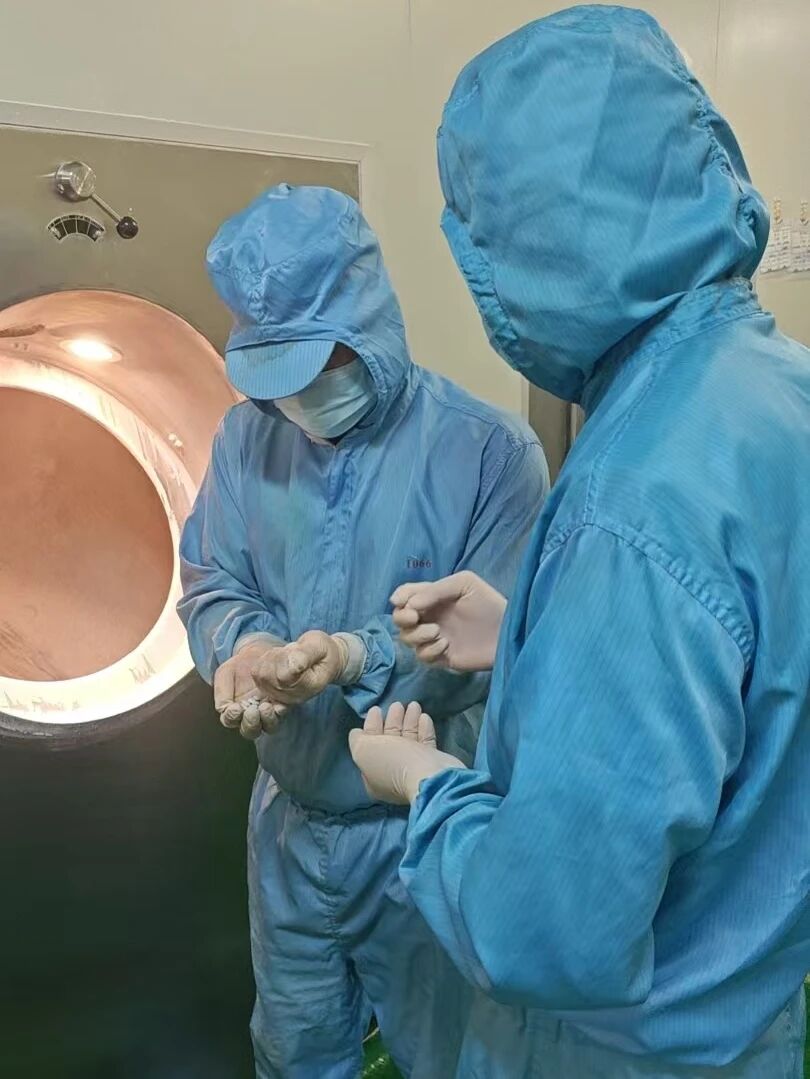
On the post of the bondservants, Sun Qingqing and Dong Haibo
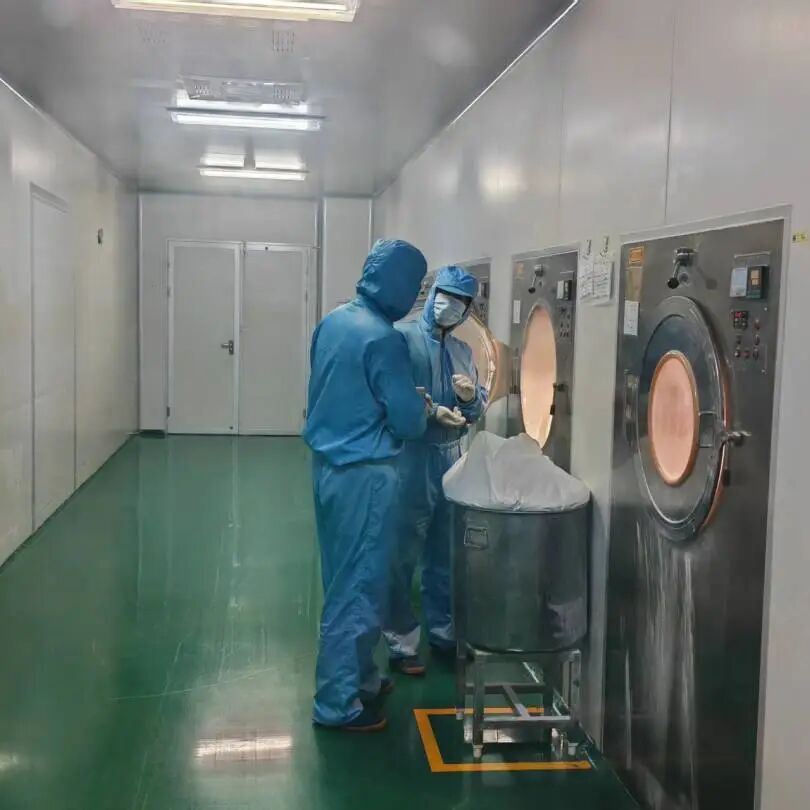
The relay race has no end.
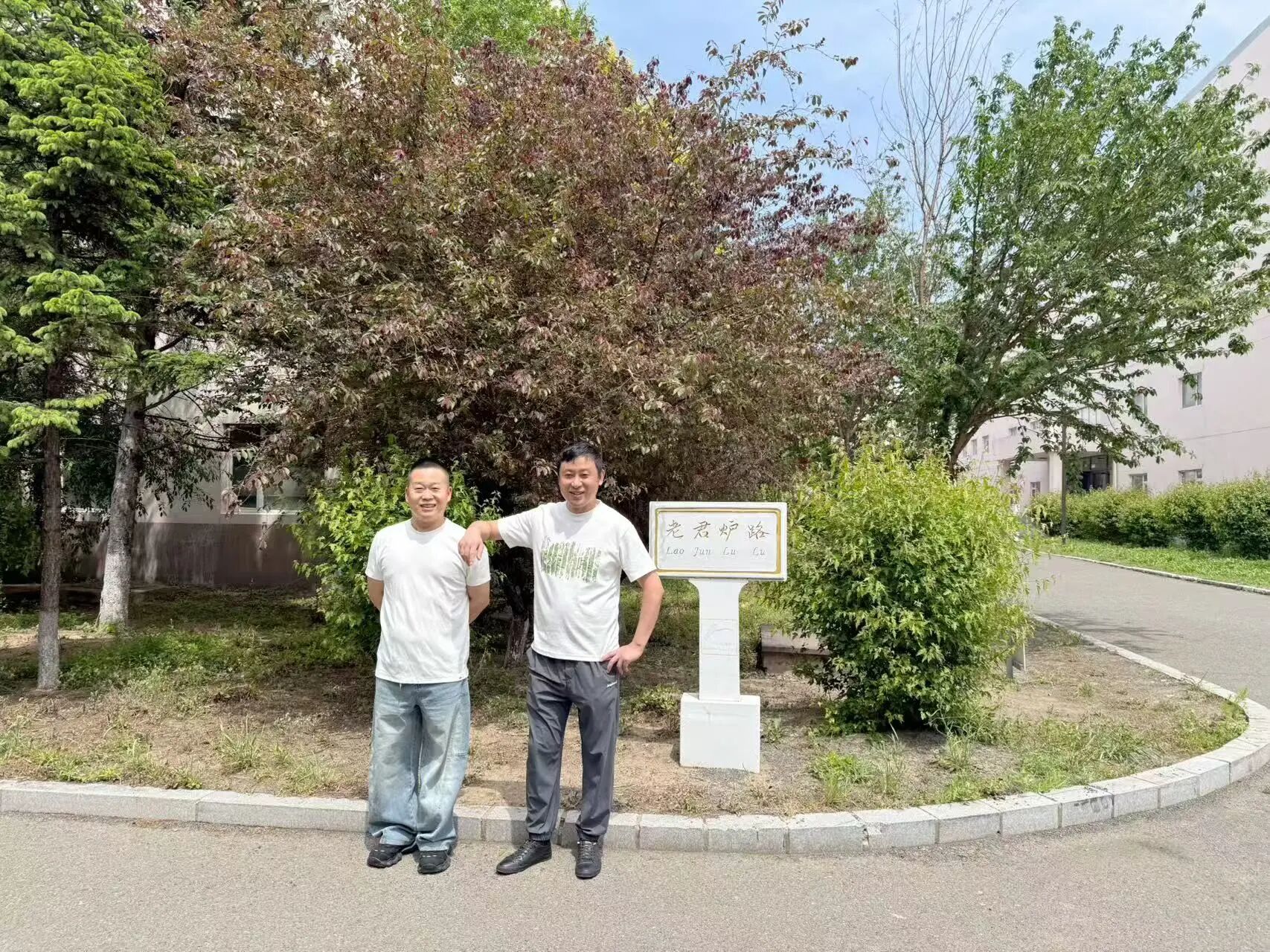
Sun Qingqing and Dong Haibo, master and apprentice
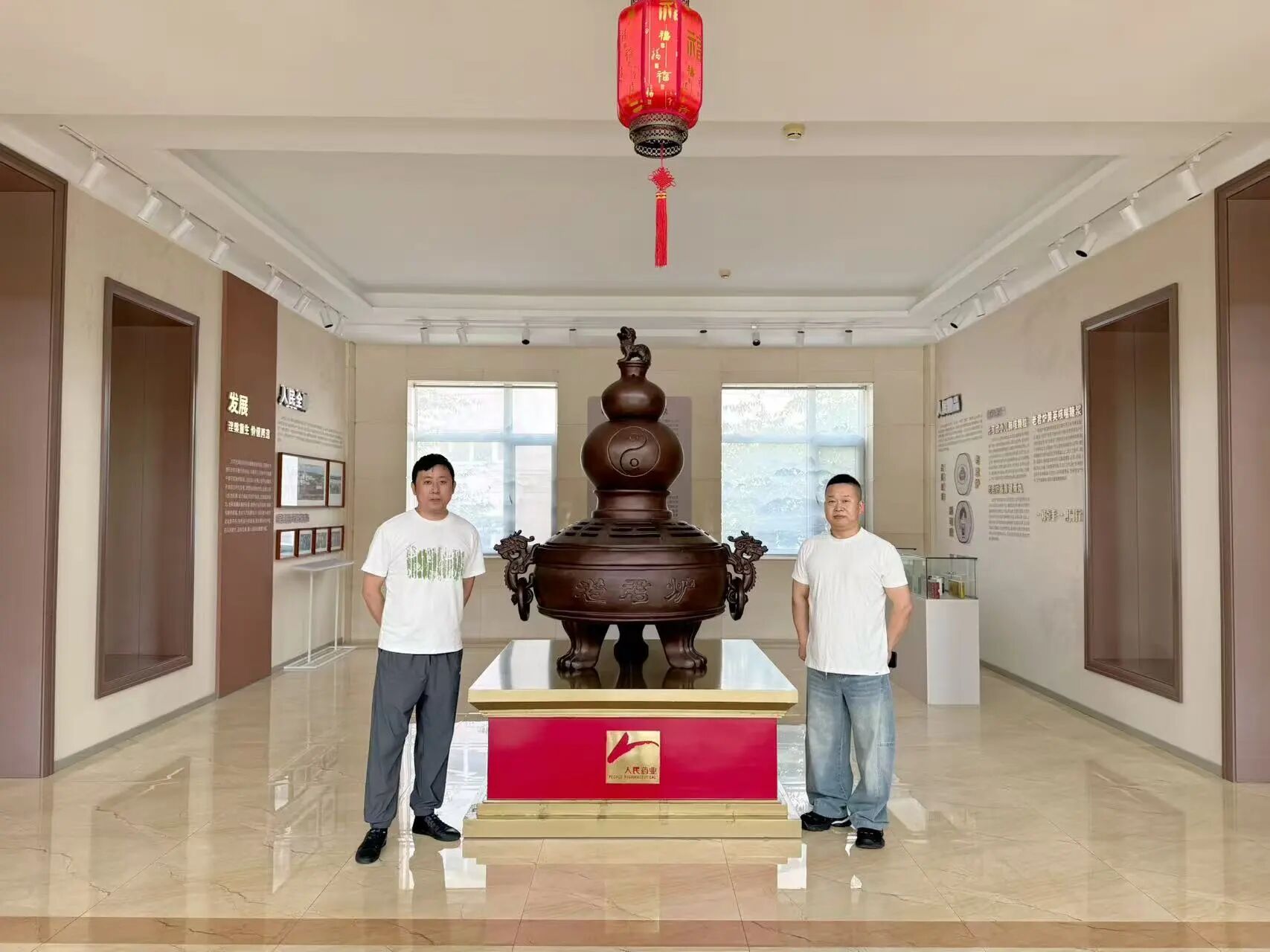
Song Demin said that passing on skills is not just about passing on craftsmanship, but also about passing on responsibility. Sun Qingqing said that in addition to practical coating techniques, it's even more important to inherit a rigorous and pragmatic work style, an honest and trustworthy professional ethic, and a reverence for pharmaceutical production standards.
These words are translated into concrete actions on the assembly line: the master stands behind the apprentice, watching them operate, offering a helping hand, saying things like "less" or "don't rush." The apprentice tries again and again until their hands get the feel for it and their eyes get the accuracy. Then, the apprentice begins to train newcomers, repeating the words their master spoke to the next generation.
Sixty years ago, there were no shortcuts to passing on this craft; it was simply a pair of skilled hands guiding a pair of unskilled hands. Sixty years later, machines have been upgraded, and workshops have changed several times, but the way of passing on the craft remains the same: experienced hands teach new hands, and craftsmanship is passed on to the heart.
Sun Qingqing said, "I feel extremely proud to participate in the company's 60th anniversary celebration and personally witness the passing down of traditional Chinese medicine tablet production techniques from generation to generation." Song Demin put it more simply: "Passing on the craftsmanship is very important for the company's long-term development." No one specifically kept track of which day they took over the shift. But everyone remembered the words their mentor had said and the figure standing behind them watching over them.
These words are translated into concrete actions on the assembly line: the master stands behind the apprentice, watching them operate, offering a helping hand, saying things like "less" or "don't rush." The apprentice tries again and again until their hands get the feel for it and their eyes get the accuracy. Then, the apprentice begins to train newcomers, repeating the words their master spoke to the next generation.
Sixty years ago, there were no shortcuts to passing on this craft; it was simply a pair of skilled hands guiding a pair of unskilled hands. Sixty years later, machines have been upgraded, and workshops have changed several times, but the way of passing on the craft remains the same: experienced hands teach new hands, and craftsmanship is passed on to the heart.
Sun Qingqing said, "I feel extremely proud to participate in the company's 60th anniversary celebration and personally witness the passing down of traditional Chinese medicine tablet production techniques from generation to generation." Song Demin put it more simply: "Passing on the craftsmanship is very important for the company's long-term development." No one specifically kept track of which day they took over the shift. But everyone remembered the words their mentor had said and the figure standing behind them watching over them.
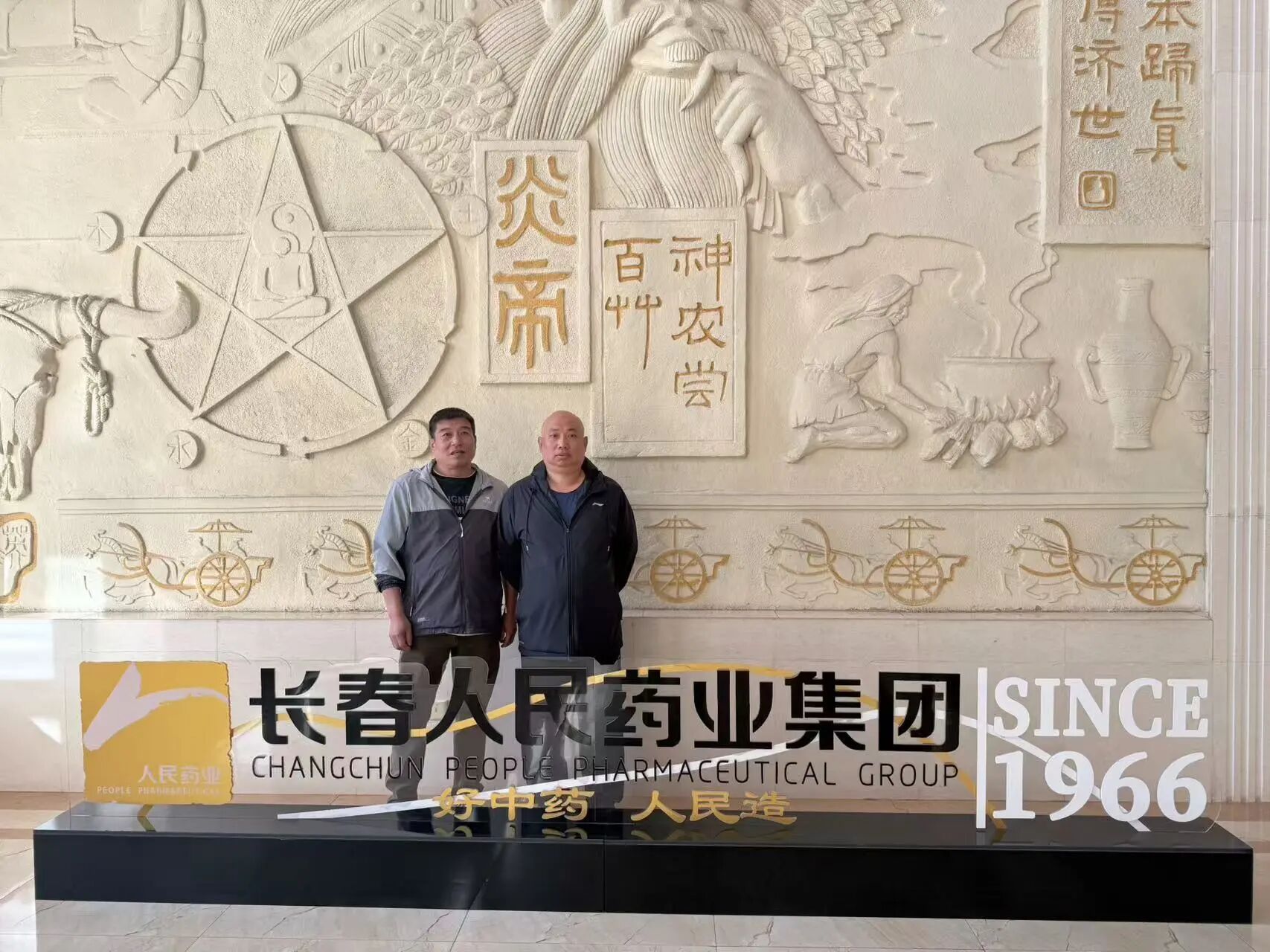
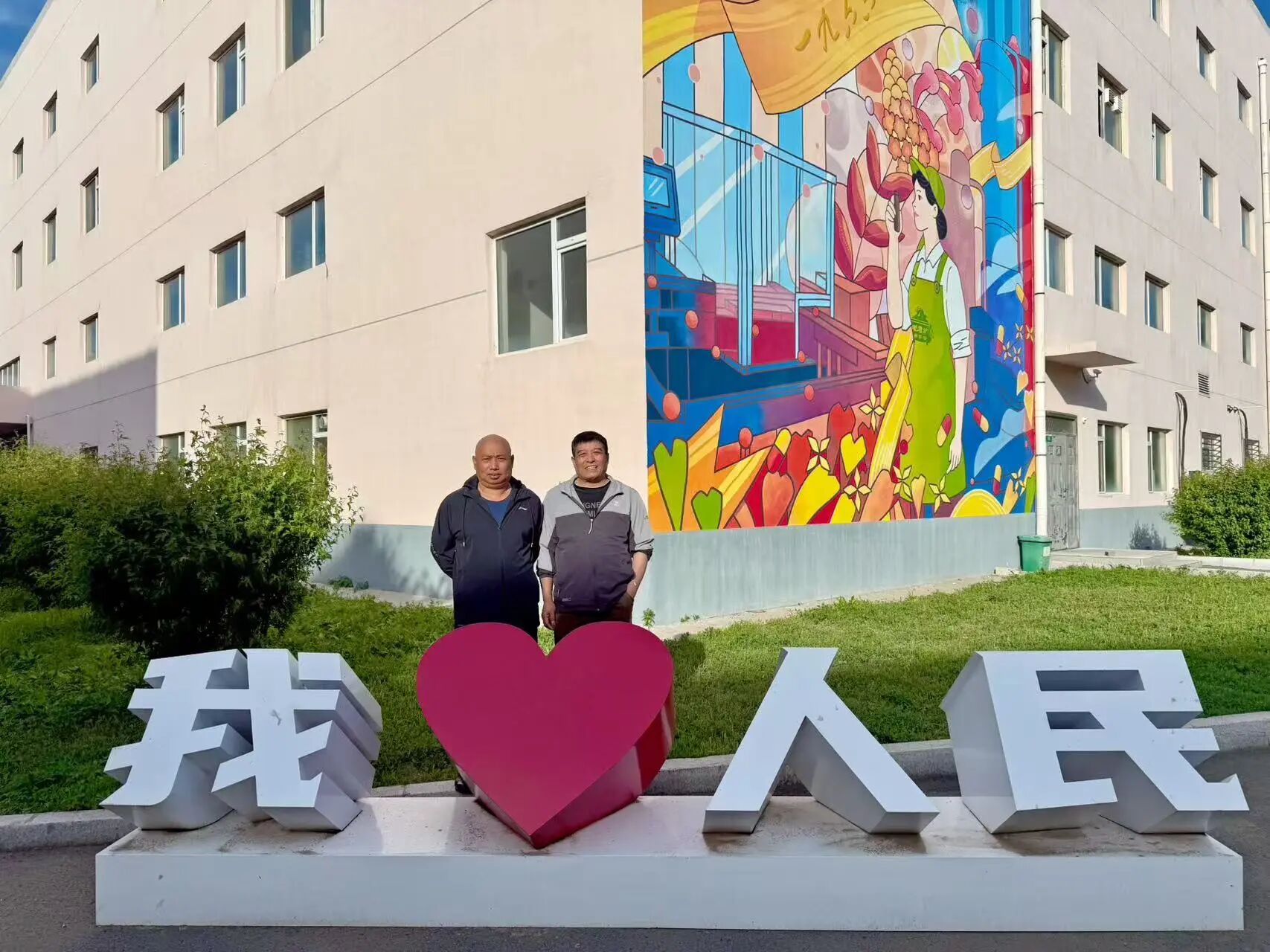
Sixty years from now, the assembly line will still be turning, and the cry of "Master" will still ring out. This relay race has no end.